

The Importance of Healthy Eating
Points of Healthy Eating
1. Healthy eating provide energy to the body
Yes, healthy eating provides energy to the body by supplying essential macronutrients, like carbohydrates, protein, and healthy fats, which are converted into fuel for cells, tissues, and organs. Nutrients from fruits, whole grains, leafy greens, and nuts also help the body maintain stable blood sugar levels, support sustained energy release, and fend off fatigue.
How healthy foods provide energy
Carbohydrates
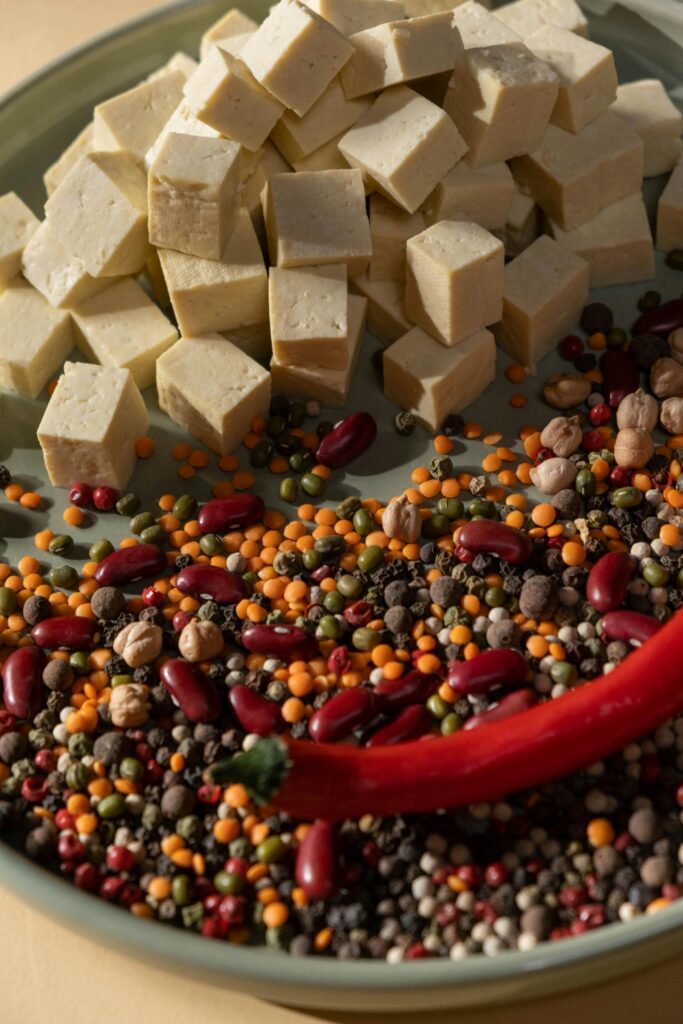
Carbohydrates are the body's main source of quick energy broken down into glucose for cells

Proteins and Healthy fats
Protein and healthy fata work with carbohydrates to slow their absorption, providing a more sustained and steady energy release through out the day.
B vitamin
B vitamin help convert food into usable fuel for your body


Iron
Iron is crucial for making red blood cells, which carry oxygen to all the body's cells, supporting energy production.
Antioxidants
Antioxidants found in foods like berries and nuts help off free radicals and fatigue, keeping your energy levels up

Tips of maintaining energy
Eat a balanced diet
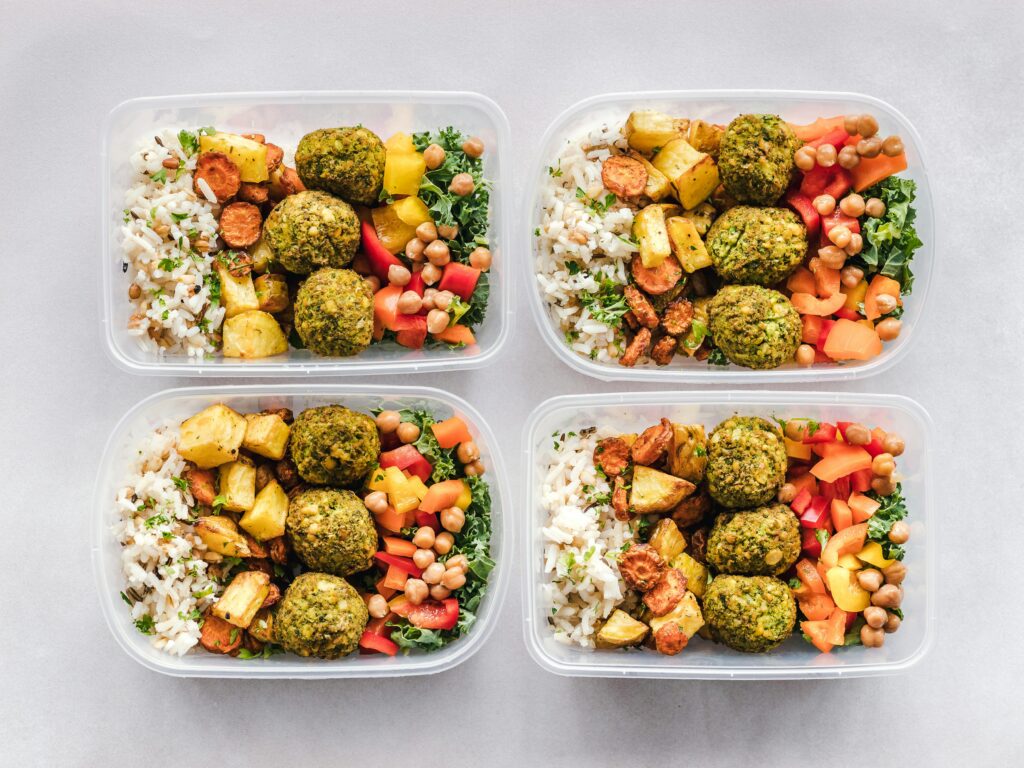
Eat a balanced diet include a variety of whole grains, lean proteins, fruit, vegetables, and healthy fats.
Stay hydrated
Stay hydrated drink plenty of water to ensure optimal hydration and energy.


Eat smaller, frequent meals
This can help prevent the fatigue that often comes after large meals and maintain stable energy levels
Limit simple sugars
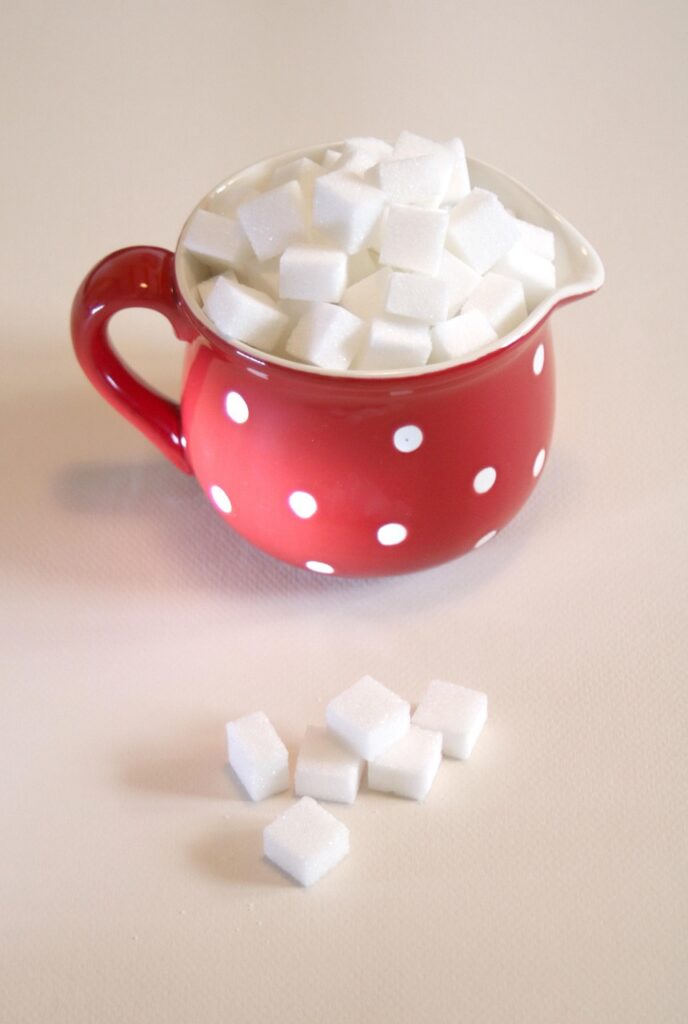
While they offer a Quick boost, the energy quickly fades, leading to a crash
2. It prevents lifestyle disease like obesity , diabetes and heart problems.
A healthy lifestyle that includes a balanced diet, regular physical activity, maintaining a healthy weight, avoiding tobacco, and managing stress is crucial fir preventing lifestyle diseases like obesity, diabetes and heart problems. following these healthy habits significantly reduces the risk of developing chronic conditions and improves overall health and wellbeing.
Key Lifestyle Changes for Prevention

Balanced Diet
Consume a diet rich in whole grains, fruits, vegetables, and lean proteins while limiting fats, sugars and excessive salt.
Regular Physical Activity
Engage in regular movement, such as walking, cycling, or swimming, to maintain a healthy, weight, improve heart health, and boost mental well-being.