Charcoal Used & Benefit 2045

Charcoal, a lightweight black carbon residue, has been utilized for centuries in various applications, from metallurgical fuel to modern water purification. Its unique properties allow it to trap toxins and impurities, making it a staple in both medical treatments and skincare products. With a rich history rooted in ancient practices, charcoal's production methods have evolved, yet its significance remains. Discover how this versatile substance not only fuels blacksmiths' forges but also plays a crucial role in sustainable living and health trends today. Dive deeper into the many uses and benefits of charcoal that continue to impact our lives.

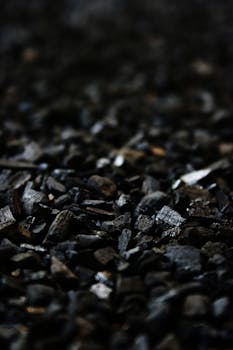
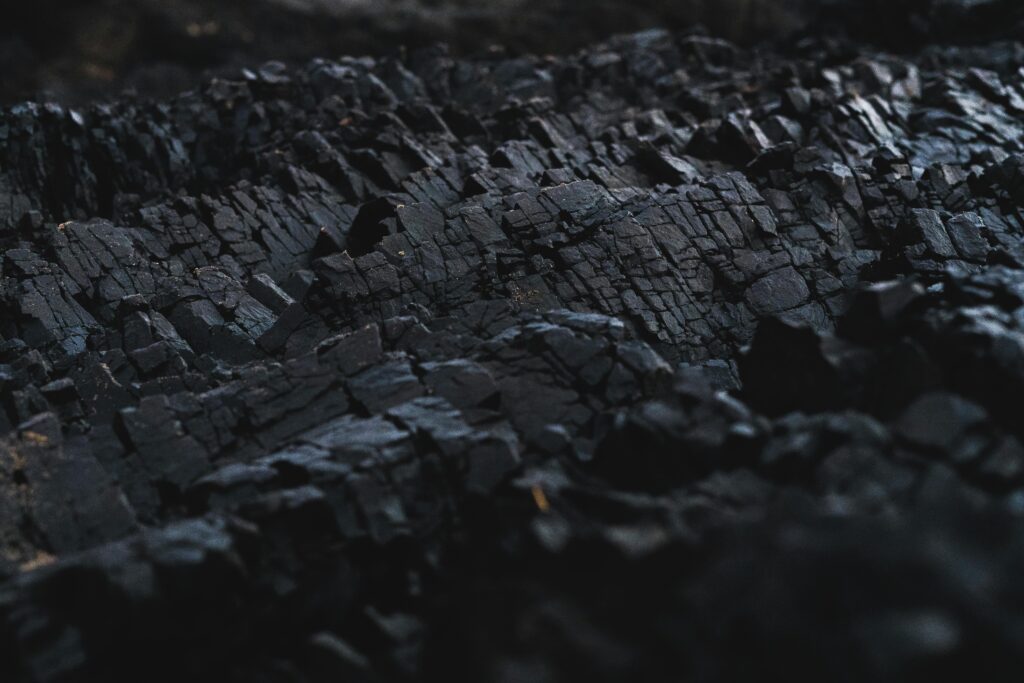
A detailed close-up of dark charcoal texture, showcasing its rough and jagged surface.

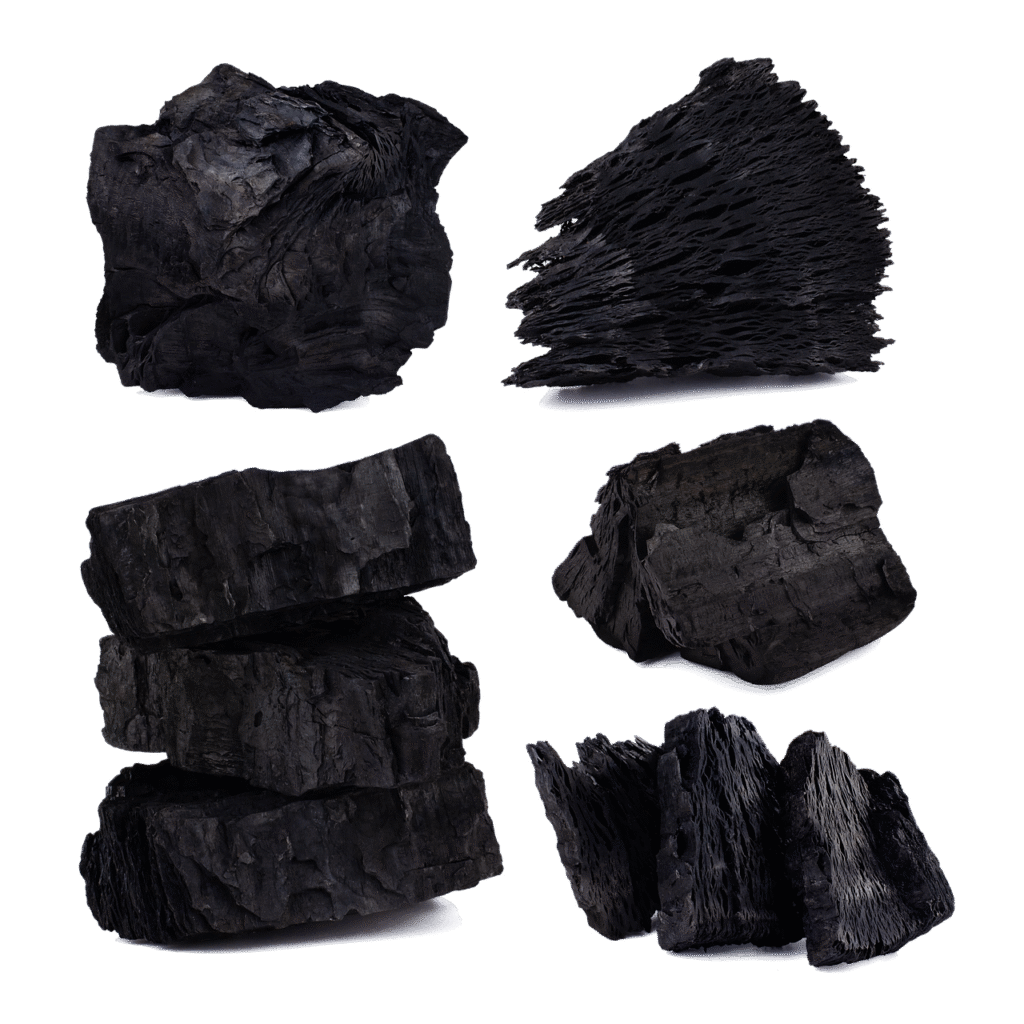
. Charcoal is a lightweight black carbon residue produced by strongly heating wood (or other animal and plant materials) in minimal oxygen to remove all water and volatile constituents. In the traditional version of this pyrolysis process, called charcoal burning, often by forming a charcoal kiln, the heat is supplied by burning part of the starting material itself, with a limited supply of oxygen.[1] The material can also be heated in a closed retort. Modern charcoal briquettes used for outdoor cooking may contain many other additives, e.g. coal.  The early history of wood charcoal production spans ancient times, rooted in the abundance of wood in various regions. The process typically involves stacking wood billets to form a conical pile, allowing air to enter through openings at the bottom, and igniting the pile gradually. Charcoal burners, skilled professionals tasked with managing the delicate operation, often lived in isolation to tend their wood piles [citation needed]. Throughout history, the extensive production of charcoal has been a significant contributor to deforestation, particularly in regions like Central Europe. However, various management practices, such as coppicing, aimed to maintain a steady supply of wood for charcoal production. The scarcity of easily accessible wood resources eventually led to the transition to fossil fuel equivalents like coal. Charcoal used and benefit 2045 Best charcoal uses Best charcoal uses 

Charcoal Used & Benefit 2045Charcoal Used & Benefit 2045 Charcoal Used & Benefit 2045


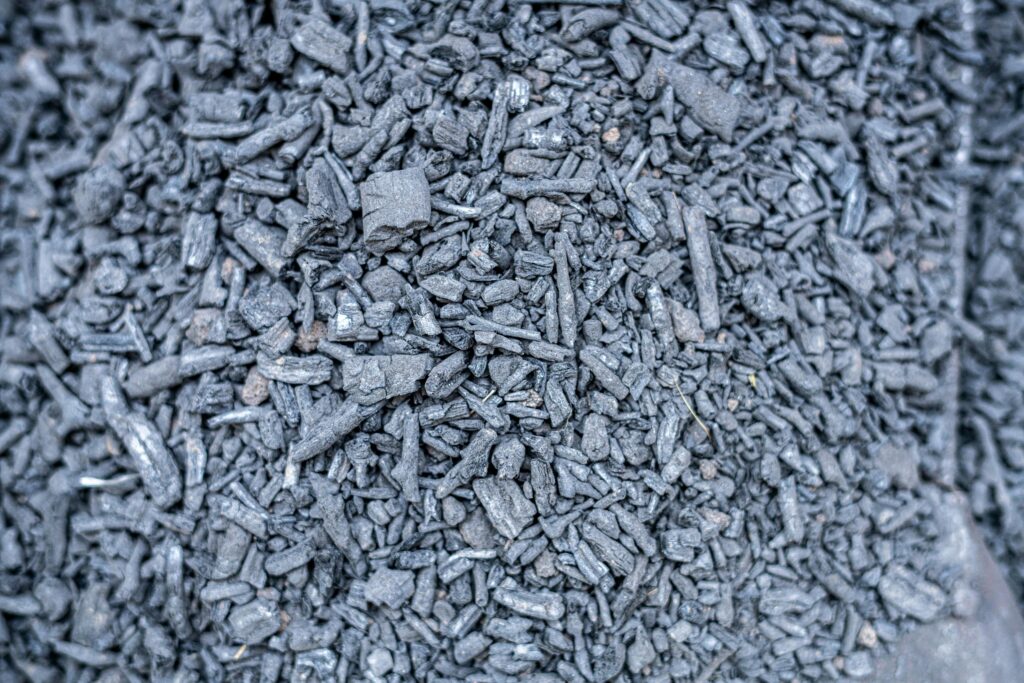
Detailed view of gray charcoal pieces, showcasing texture and pattern in Srinagar.

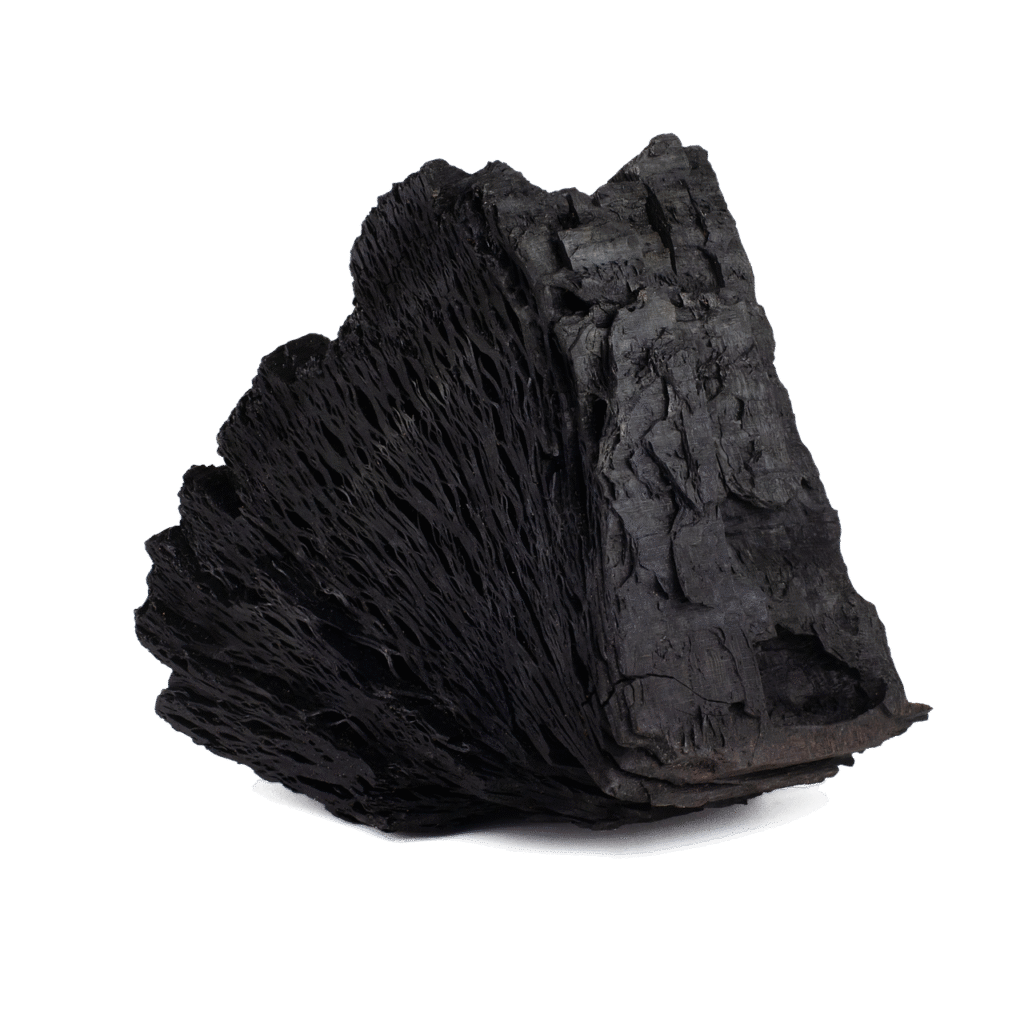
Charcoal Pile 

The production of wood charcoal in locations where there is an abundance of wood dates back to ancient times. It generally began with piling billets of wood on their ends to form a conical pile. Openings were left at the bottom to admit air, with a central shaft serving as a flue. The whole pile was covered with turf or moistened clay. The firing began at the bottom of the flue, and the fire gradually spread outward and upward.

The traditional method in Britain used a charcoal pile or clamp.[3] This was essentially a pile of wooden logs (e.g. seasoned oak) leaning in a circle against a chimney. The chimney consisted of 4 wooden stakes held up by some rope. In the clamp too the logs were completely covered with soil and straw allowing no air to enter. It must be lit by introducing some burning fuel into the chimney. The logs burned slowly and transformed into charcoal over a period of 5 days. If the soil covering became torn or cracked by the fire, additional soil was placed on the cracks. Once the burn was complete, the chimney was plugged to prevent air from entering.

Charcoal Burner 

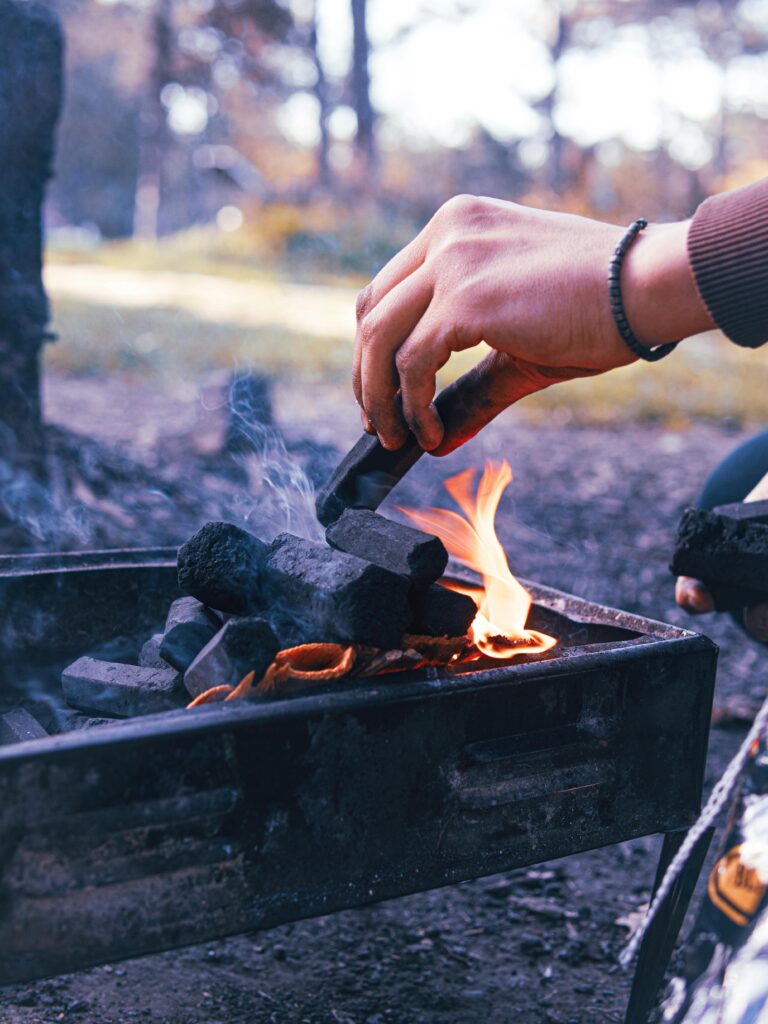
Hands wearing bracelet igniting charcoal on an outdoor grill, creating a warm fire.

The true art of this production method was in managing the sufficient generation of heat, by combusting part of the wood material, and the transfer of the heat to the wood in the process of being carbonized. The operation was so delicate that it was generally left to colliers (professional charcoal burners). They often lived alone in small huts to tend their wood piles. For example, in the Harz Mountains of Germany, charcoal burners lived in conical huts called Köten which still exist today.[when?]

Low efficiency and harmful emissions

The success of the operation depends upon the rate of the combustion. Under average conditions wood yields about 60% charcoal by volume, or 25% by weight;[4] small-scale production methods often yield only about 50% by volume, while large-scale methods enabled higher yields of about 90% by the 17th century. A strong disadvantage of this production method is the huge amount of emissions that are harmful to human health and the environment (emissions of unburnt methane).[5] As a result of the partial combustion of wood material, the efficiency of the traditional method is low.

Peak of production and decline

Deforestation and scarcity

The massive production of charcoal (at its height employing hundreds of thousands, mainly in Alpine and neighbouring forests) was a major cause of deforestation, especially in Central Europe.[6][when?] Complaints (as early as the Stuart period) about shortages may stem from over-exploitation or the impossibility of increasing production to match growing demand. In England, many woods were managed as coppices, which were cut and regrown cyclically, so that a steady supply of charcoal was available. But the increasing scarcity of easily harvested wood was a major factor behind the switch to fossil fuel equivalents, mainly coal and brown coal for industrial use.

By-product of wood tar production

In Finland and Scandinavia, charcoal was considered the by-product of wood tar production. The best tar came from pine, thus pinewoods were cut down for tar pyrolysis. The residual charcoal was widely used as substitute for metallurgical coke in blast furnaces for smelting. Tar production led to rapid local deforestation. The end of tar production at the end of the 19th century resulted in rapid re-forestation of affected areas.

Charcoal briquette

The American form of the charcoal briquette was first invented and patented by Ellsworth B. A. Zwoyer of Pennsylvania in 1897[7] and was produced by the Zwoyer Fuel Company. The process was further popularized by Henry Ford, who used wood and sawdust byproducts from automobile fabrication as a feedstock. Ford Charcoal went on to become the Kingsford Company.

Production methods


Charcoal under a microscope. Different colors correspond to different relief. Only a charred skeleton remains of the wood cells after charring.

The modern process of carbonizing wood, either in small pieces or as sawdust in cast iron retorts, is extensively practiced where wood is scarce, and also for the recovery of valuable byproducts (wood spiritpyroligneous acidwood tar), which the process permits. The question of the temperature of the carbonization is important; according to J. Percy, wood becomes brown at 220 °C (430 °F), a deep brown-black after some time at 280 °C (540 °F), and an easily powdered mass at 310 °C (590 °F). Charcoal made at 300 °C (570 °F) is brown, soft and friable, and readily inflames at 380 °C (720 °F); made at higher temperatures it is hard and brittle, and does not fire until heated to about 700 °C (1,300 °F).[4][8]  Uses & benefit uses & benefit  

Modern methods employ retorting technology, in which process heat is recovered from, and solely provided by, the combustion of gas released during carbonization.[9] Yields of retorting are considerably higher than those of kilning, and may reach 35%-40%.

The properties of the charcoal produced depend on the material charred. The charring temperature is also important. Charcoal contains varying amounts of hydrogen and oxygen as well as ash and other impurities that, together with the structure, determine the properties. The approximate composition of charcoal for gunpowders is sometimes empirically described as C7H4O.[citation needed] To obtain a coal with high purity, source material should be free of non-volatile compounds.

Wood charcoal is obtained as the residue by destructive distillation of wood such that the products are:

Uses

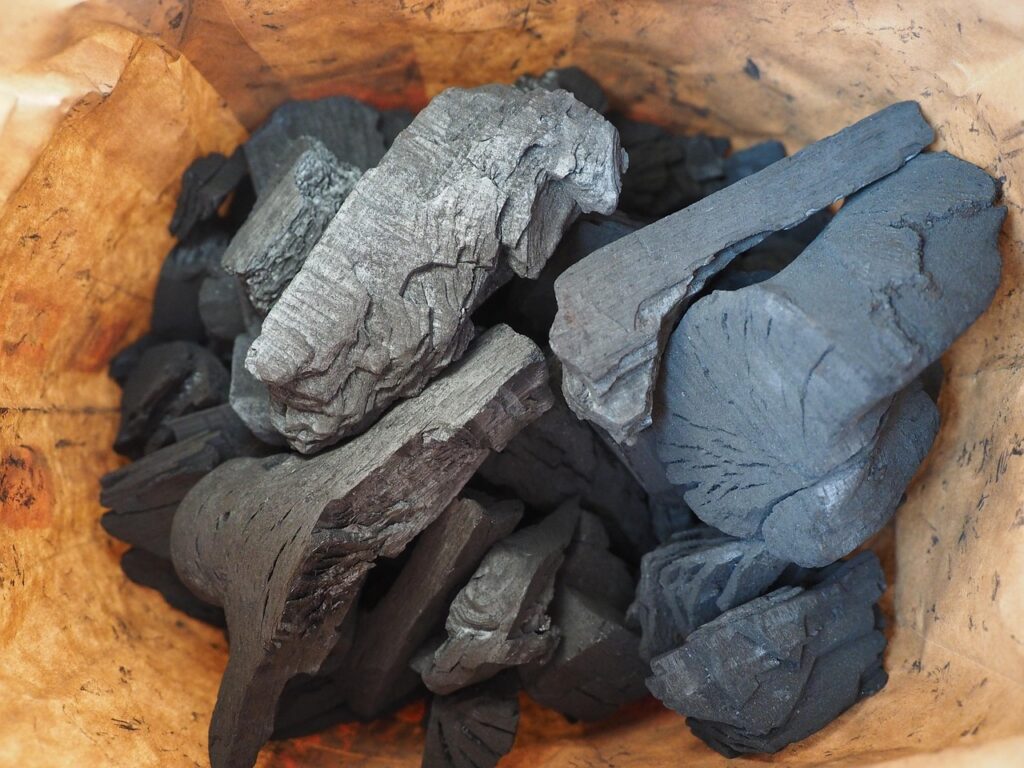
Detailed close-up of charcoal briquettes showing textures and shades.

Charcoal has been used since earliest times for a large range of purposes including art and medicine, but by far its most important use has been as a metallurgical fuel. Charcoal is the traditional fuel of a blacksmith’s forge and other applications where an intense heat is required. Charcoal was also used historically as a source of black pigment by grinding it up. In this form charcoal was important to early chemists and was a constituent of formulas for mixtures such as black powder. Due to its high surface area, charcoal can be used as a filter, catalyst, or adsorbent. best charcoal uses 

Metallurgical fuel

Main article: Smelting
Charcoal burns at temperatures exceeding 1,100 degrees Celsius (2,010 degrees Fahrenheit).[11] By comparison, the melting point of iron is approximately 1,200 to 1,550 °C (2,190 to 2,820 °F). Due to its porosity, it is sensitive to the flow of air and the heat generated can be moderated by controlling the air flow to the fire. For this reason charcoal is still widely used by blacksmiths. Charcoal has been used for the production of iron and steel (where it also provided the necessary carbon) since at least 2000 BCE, with artifacts having been found in Proto-Hittite layers at Kaman-Kalehöyük.[12] Charcoal briquettes can burn up to approximately 1,260 °C (2,300 °F) with a forced air blower forge.[13]
In the 16th century, England had to pass laws to prevent the country from becoming completely denuded of trees due to production of iron.[citation needed] In the 19th century charcoal was largely replaced by coke in steel production due to cost, even though coke usually adds sulphur and sometimes other deleterious contaminants to the pig iron. Wooded metallurgical regions devoid of coal like Sweden, the Urals, or Siberia transitioned from charcoal in the early 20th century.

Cooking and heating fuel

Prior to the Industrial Revolution, charcoal was occasionally used as a cooking fuel. It is counted as a smokeless fuel; that is, the carbon is sufficiently pure that burning it causes substantially less air pollution than burning the original uncarbonized organic material would. In the 20th century, clean-air legislation mandated smokeless fuels (mostly coke or charcoal) in many areas of Europe. In the 21st century, charcoal has been advocated as a way to improve the health of people burning raw biomass for cooking and/or heating. Modern “charcoal” briquettes, widely used for outdoor cooking, are made with charcoal but may also include coal as an energy source as well as accelerants, binders and filler.
To contain the charcoal and use it for cooking purposes, a barbecue grill may be used. A small Japanese charcoal grill is known as a shichirin. A brazier is a container used to burn charcoal or other solid fuel.
To start the charcoal burning is harder than starting a wood fire and charcoal lighter fluid may be employed. A chimney starter or electric charcoal starter are tools to help with starting to light charcoal.
Approximately 75% of fuel burned in Haiti is charcoal.[14]

Reducing agent

Certain types of charcoal, such as wood charcoal, are used for reducing heated metallic oxides to their respective metals:[citation needed]

  • ZnO + C → Zn + CO
  • Fe2O3 + 3C → 2Fe + 3CO

Charcoal can also be used to reduce super heated steam to hydrogen (along with the formation of carbon monoxide):[citation needed]

Syngas production, automotive fuel


Like many other sources of carbon, charcoal can be used for the production of various syngas compositions; i.e., various CO + H2 + CO2 + N2 mixtures. The syngas is typically used as fuel, including automotive propulsion, or as a chemical feedstock.
In times of scarce petroleum, automobiles and even buses have been converted to burn wood gas: a gas mixture consisting primarily of diluting atmospheric nitrogen, but also containing combustible gasses (mostly carbon monoxide) released by burning charcoal or wood in a wood gas generator. In 1931, Tang Zhongming developed an automobile powered by charcoal, and these cars were popular in China until the 1950s, and in occupied France during World War II, where they were called gazogènes.

Pyrotechnics

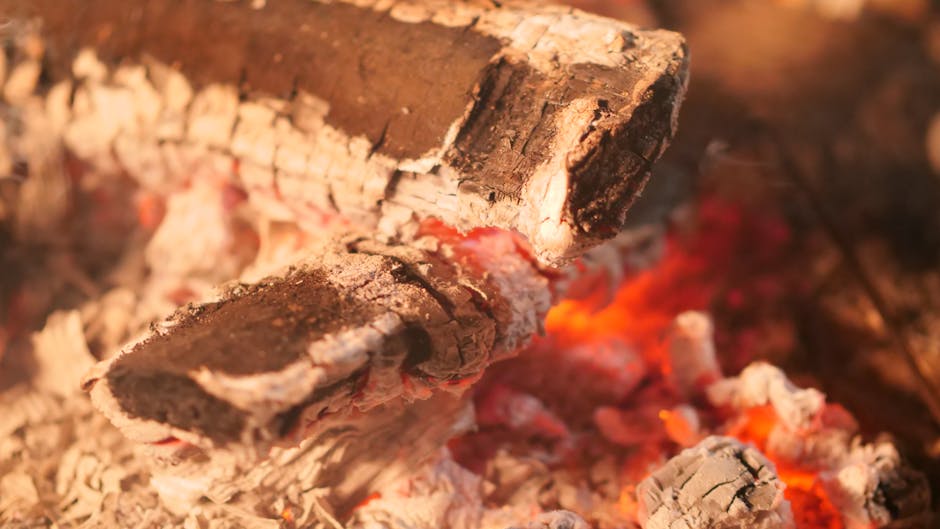
Detailed view of burning embers and charred firewood in a campfire at night.

Charcoal is used in the production of black powder, which is used extensively in the production of fireworks. It is usually ground into a fine powder, with air float grade being the finest particle size available commercially. When used in black powder compositions, it is often ball-milled with other ingredients so that they are intimately mixed together. Certain charcoals perform better when used to make black powder; these include spruce, willow, paulownia and grapevine among others.[citation needed] Charcoal produces fine dark orange/golden sparks. Usually, powder with a mesh size from 10 to 325 is used to obtain showers of golden sparks in pyrotechnic compositions.[15]

Cosmetic use of bamboo charcoal

Charcoal is also incorporated in multiple cosmetic products.[16] It can be produced from regular bamboo cut into small pieces and boiled in water to remove soluble compounds.[16] Raw bamboo charcoal is obtained after drying and carbonization in an oven at elevated temperature.[16] The role of charcoal in cosmetics is based on its highly effective absorbing properties at a microscopic scale.[16]

Carbon source

Charcoal may be used as a source of carbon in chemical reactions. One example of this is the production of carbon disulphide through the reaction of sulfur vapors with hot charcoal. In that case, the wood should be charred at high temperature to reduce the residual amounts of hydrogen and oxygen that lead to side reactions.

Purification and filtration

hardwood charcoal, charcoal, activated, burning, health, medicine, charcoal, charcoal, charcoal, charcoal, charcoal

Charcoal may be activated to increase its effectiveness as a filter. Activated charcoal readily adsorbs a wide range of organic compounds dissolved or suspended in gases and liquids. In certain industrial processes, such as the purification of sucrose from cane sugar, impurities cause an undesirable color, which can be removed with activated charcoal. It is also used to absorb odors and toxins in gaseous solutions, as in home air purifiers and some types of gas mask. The medical use of activated charcoal is mainly the absorption of poisons.[17] Activated charcoal is available without a prescription, so it is used for a variety of health-related applications. For example, it is often used to reduce discomfort and embarrassment due to excessive gas (flatulence) in the digestive tract.[18]

Animal charcoal or bone black is the carbonaceous residue obtained by the dry distillation of bones. It contains only about 10% carbon, the remaining being calcium and magnesium phosphates (80%) and other inorganic material originally present in the bones. It is generally manufactured from the residues obtained in the glue and gelatin industries. Its bleaching power was applied in 1812 by Derosne for clarifying sugar syrup, but its use in this direction has now greatly diminished. Today it is seldom used for this purpose due to the introduction of more active and easily managed reagents, but it is still employed to some extent in laboratory practice. The bleaching action of the charcoal in solution diminishes as it adsorbs colored contaminants, and it must be reactivated periodically by separate washing and reheating.[4] While wood charcoal effectively removes some pigments and contaminants from solutions, bone charcoal is generally more effective as an adsorption filter due to its increased porosity and surface area

The Many Uses and Benefits of Charcoal

money, charcoal, fuel, book charcoal, charcoal, charcoal, charcoal, charcoal, charcoal

Charcoal has been used for centuries, but in recent years, it has gained renewed popularity thanks to its diverse applications and surprising health and environmental benefits. Whether in the form of activated charcoal or traditional lump charcoal, this natural substance is making a big impact in everything from wellness trends to sustainable living.

One of the most well-known uses of charcoal is in water purification. Activated charcoal acts like a magnet for toxins, trapping impurities and harmful chemicals in its porous surface. This same principle is applied in air filters and even in some skincare products. Charcoal face masks and cleansers help remove dirt and oil from pores, making them a favorite among those with acne-prone skin.
 
 In the medical field, activated charcoal is used in emergency rooms to treat certain types of poisoning or drug overdose. It binds to toxins in the stomach and prevents them from being absorbed into the bloodstream. Though it’s not a cure-all, it has saved lives when used appropriately under professional supervision.

Metallurgical fuel

Charcoal burns at temperatures exceeding 1,100 degrees Celsius (2,010 degrees Fahrenheit).[11] By comparison, the melting point of iron is approximately 1,200 to 1,550 °C (2,190 to 2,820 °F). Due to its porosity, it is sensitive to the flow of air and the heat generated can be moderated by controlling the air flow to the fire. For this reason charcoal is still widely used by blacksmiths. Charcoal has been used for the production of iron and steel (where it also provided the necessary carbon) since at least 2000 BCE, with artifacts having been found in Proto-Hittite layers at Kaman-Kalehöyük.[12] Charcoal briquettes can burn up to approximately 1,260 °C (2,300 °F) with a forced air blower forge.[13]

In the 16th century, England had to pass laws to prevent the country from becoming completely denuded of trees due to production of iron.[citation needed] In the 19th century charcoal was largely replaced by coke in steel production due to cost, even though coke usually adds sulphur and sometimes other deleterious contaminants to the pig iron. Wooded metallurgical regions devoid of coal like Sweden, the Urals, or Siberia transitioned from charcoal in the early 20th century.

Prior to the Industrial Revolution, charcoal was occasionally used as a cooking fuel. It is counted as a smokeless fuel; that is, the carbon is sufficiently pure that burning it causes substantially less air pollution than burning the original uncarbonized organic material would. In the 20th century, clean-air legislation mandated smokeless fuels (mostly coke or charcoal) in many areas of Europe. In the 21st century, charcoal has been advocated as a way to improve the health of people burning raw biomass for cooking and/or heating. Modern “charcoal” briquettes, widely used for outdoor cooking, are made with charcoal but may also include coal as an energy source as well as accelerants, binders and filler.

To contain the charcoal and use it for cooking purposes, a barbecue grill may be used. A small Japanese charcoal grill is known as a shichirin. A brazier is a container used to burn charcoal or other solid fuel.

To start the charcoal burning is harder than starting a wood fire and charcoal lighter fluid may be employed. A chimney starter or electric charcoal starter are tools to help with starting to light charcoal.

Approximately 75% of fuel burned in Haiti is charcoal.[1

Certain types of charcoal, such as wood charcoal, are used for reducing heated metallic oxides to their respective metals:[citation needed]

  • ZnO + C → Zn + CO
  • Fe2O3 + 3C → 2Fe + 3CO

Charcoal can also be used to reduce super heated steam to hydrogen (along with the formation of carbon monoxide):[citation needed]

Like many other sources of carbon, charcoal can be used for the production of various syngas compositions; i.e., various CO + H2 + CO2 + N2 mixtures. The syngas is typically used as fuel, including automotive propulsion, or as a chemical feedstock.

In times of scarce petroleum, automobiles and even buses have been converted to burn wood gas: a gas mixture consisting primarily of diluting atmospheric nitrogen, but also containing combustible gasses (mostly carbon monoxide) released by burning charcoal or wood in a wood gas generator. In 1931, Tang Zhongming developed an automobile powered by charcoal, and these cars were popular in China until the 1950s, and in occupied France during World War II, where they were called gazogènes

Activated charcoal 

charcoal, activated charcoal, hardwood, black, dark, purify, treatment, charcoal, charcoal, charcoal, charcoal, charcoal, activated charcoal, activated charcoal, activated charcoal

Activated charcoal, also known as activated carbon, is a medication used to treat poisonings that occurred by mouth.[1] To be effective it must be used within a short time of the poisoning occurring, typically an hour.[1][2] It does not work for poisonings by cyanidecorrosive agentsironlithiumalcohols, or malathion.[2] It may be taken by mouth or given by a nasogastric tube.[3] Other uses include inside hemoperfusion machines.[1]

Common side effects include vomiting, black stools, diarrhea, and constipation.[1] A more serious side effect, pneumonitis, may result if aspirated into the lungs.[1][2] Gastrointestinal obstruction and ileus are less common but serious adverse effects.[1] Use in pregnancy and breastfeeding is generally safe.[3] Activated charcoal works by adsorbing the toxin.[1]

While charcoal has been used since ancient times for poisonings, activated charcoal has been used since the 1900s.[4][5] It is on the World Health Organization’s List of Essential Medicines.[6]     Charcoal used  &  benefit 2045

Medical uses

Poison ingestion

Activated charcoal is used to treat many types of oral poisonings such as phenobarbital and carbamazepine.[7] It is not effective for a number of poisonings including: strong acids or bases, ironlithiumarsenicmethanolethanol or ethylene glycol.[7]

Although activated charcoal is the most commonly used agent for GI decontamination in poisoned patients, medical professionals use discretion when determining whether or not its use is indicated.[7] In a study of acute poisonings from agricultural pesticides and yellow oleander seeds, the administration of activated carbon did not affect survival rate

Charcoal biscuits were sold in England starting in the early 19th century, originally as remedy to flatulence and stomach trouble.[9]

Tablets or capsules of activated carbon are used in many countries as an over-the-counter drug to treat diarrheaindigestion, and flatulence.[10] There is some evidence of its effectiveness to prevent diarrhea in cancer patients who have received irinotecan.[11] It can interfere with the absorption of some medications, and lead to unreliable readings in medical tests such as the guaiac card test.[12] Activated carbon is also used for bowel preparation by reducing intestinal gas content before abdominal radiography to visualize bile and pancreatic and renal stones.[13] A type of charcoal biscuit has also been marketed as a pet care product.[14]

Dentistry – Removal of amalgam fillings

Dentists who remove amalgam fillings using the Safe Mercury Amalgam Removal Technique (SMART) technique give the patient “a slurry of charcoal, chlorella, or similar adsorbent to rinse and swallow before the procedure (unless the patient declines or there are other contraindications making this clinically inappropriate)”.[15]

Other

Claims that activated charcoal will do things such as whiten teeth, cure alcohol-induced hangovers, and prevent bloating, are not supported by evidence.[16][17] Activated charcoal cleanses also lack evidence and are considered pseudoscience.[18]

Side effects

Incorrect application (e.g. into the lungs) results in pulmonary aspiration which can sometimes be fatal if immediate medical treatment is not initiated.[19] The use of activated carbon is contraindicated when the ingested substance is an acid, an alkali, or a petroleum product.

Leave a Reply

Your email address will not be published. Required fields are marked *